A search for wholesale peptides in Australia is only the beginning of a bulk purchasing enquiry. To compare a proposal properly, the request needs to identify what is being ordered, which information is essential and where the material is intended to be received. A large quantity alone does not make an incomplete product specification clearer.
This checklist helps turn a general request for bulk peptides into a reviewable enquiry. Use the catalogue to identify the listings, then contact the team with the details below. Any availability, pricing or order terms need to be confirmed for the specific request rather than inferred from the word “wholesale”.
Build the request one product at a time
List each complete compound name and presentation separately. For every line, include the selected product option, quantity per item where stated and number of items required. If a product is a blend, identify the individual components and their listed amounts rather than recording only a blend nickname.
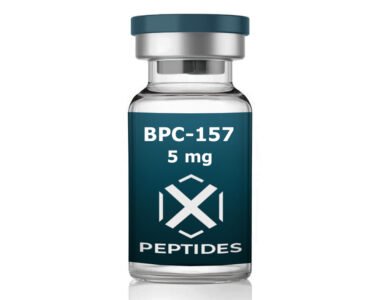
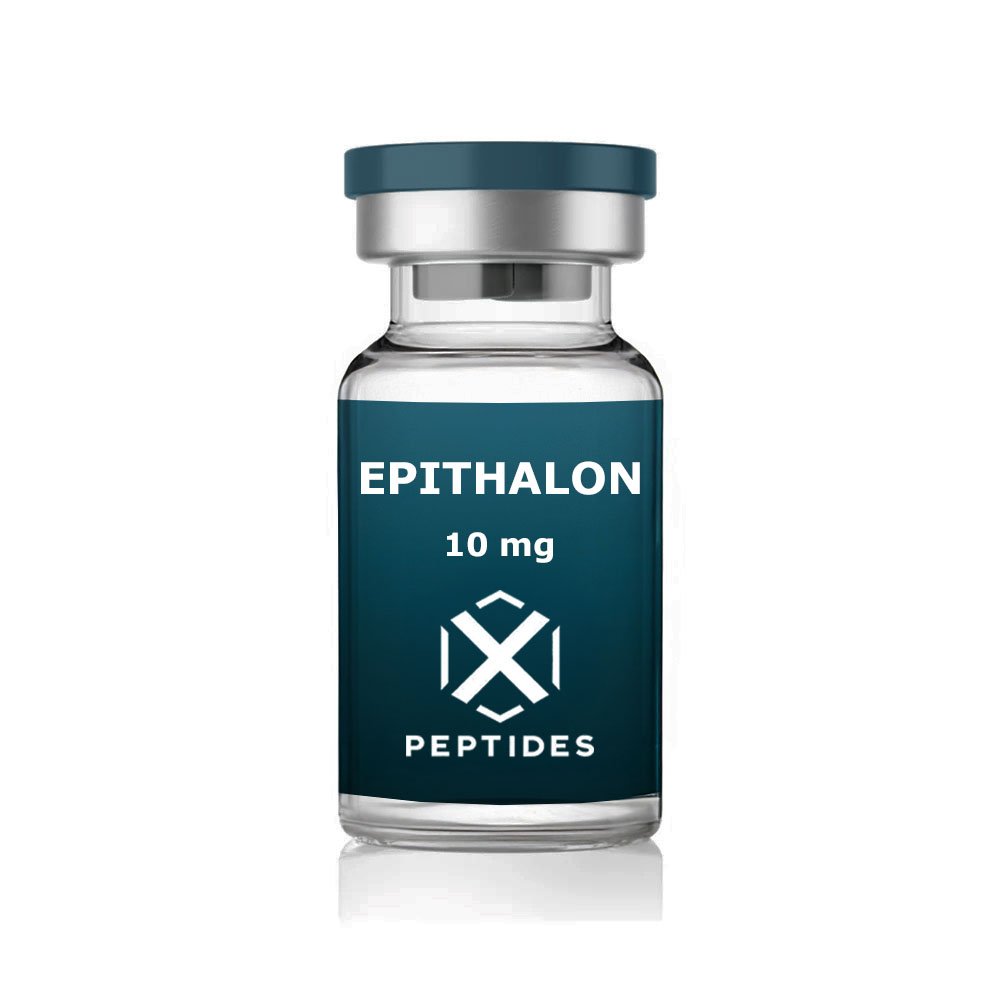
For example, the BPC-157 vial listing and Epithalon listing belong on separate lines. A pack count, an individual vial amount and a total compound requirement are different fields. Keeping them separate makes it easier for the recipient to identify an inconsistency before preparing a response.
Explain which information is mandatory
If the purchase cannot proceed without particular records, say so at the beginning. Specify the documentation your laboratory needs for review, such as product identification or available batch analysis. Ask which records can be supplied for the material under consideration and whether any required information is unavailable.
Do not turn a broad quality statement into an assumed certificate requirement already fulfilled. The COA review guide explains how to connect a report with the relevant product and batch. A bulk order increases the importance of a clear record; it does not make a document for a different item applicable to the whole request.
Separate quantity, quotation and stock confirmation
A requested quantity is what you would like to purchase. A quotation states the proposal being offered. Availability confirmation addresses what can actually be supplied under those terms. These stages should not be treated as the same thing merely because they appear in one email conversation.
Ask whether the response covers the entire requested quantity or only part of it. If alternatives are offered, identify them as alternatives and review their specifications separately. Do not assume a different listed quantity, format or compound is an equivalent substitute simply because it can be supplied sooner or at a different price.
Make Australian delivery details precise
Provide the actual receiving suburb, state, postcode and contact. If the billing address differs from the delivery location, identify both. Add receiving-hour or site-access requirements where they affect the enquiry, but ask which arrangements can be confirmed rather than treating your preferred window as a guaranteed service.
A city name does not establish local stock or a dispatch location. Likewise, “Australia-wide” wording does not answer every question about a particular order. Keep destination-specific information attached to the products and quantities being discussed. If timing is essential, request clarification before scheduling work around an expected arrival.
Compare the commercial terms as well as the unit figure
Record the currency, quantity basis, applicable delivery charges, payment conditions and quotation validity when those are provided. If the response leaves any of them unclear, ask for a complete clarification. A number labelled as a unit price is difficult to compare if one proposal refers to a single item and another to a pack.
Do not assume that a wholesale enquiry establishes a standard discount, minimum order quantity, credit arrangement or reserved stock. Those are terms to confirm. The same applies to a repeat order: an earlier response is useful context, but the current request still needs its own availability and commercial details checked.
Use a brief the receiving team can understand
A useful request can read: “Please review the following research products: [full listing and option], [number of items], [documentation required]. Delivery is to [complete address and receiving contact]. Please confirm availability, applicable pricing, delivery information and the terms for this request.” Add an internal reference if your purchasing process requires one.
After receiving a proposal, compare it line by line with the original brief. Keep changes visible rather than allowing them to disappear inside shortened messages. That makes it easier for purchasing staff and the receiving laboratory to identify what was approved, even if different people handle those stages.
Frequently asked questions
Can I enquire about several product formats together?
Yes. Separate vials, sprays and capsules into clearly identified lines with their own specifications. Our format-comparison guide explains why the category name alone is not enough to compare quantities.
Does a bulk enquiry reserve the products?
Do not assume that it does. Ask the team to confirm the order terms and availability. Keep any reservation or timing requirement explicit rather than treating an enquiry as a completed purchase.
What should I do before placing a larger order?
Review the exact products, documents and proposal against your laboratory’s requirements. The Australian supplier-comparison checklist can help organise the questions without making unsupported claims about which offer is best for your situation.
Research use only. This article discusses product information and laboratory procurement. It is not medical advice, a personal-use protocol or a statement of regulatory approval. Research-labelled products are not intended for human or veterinary use.