Searches for peptide tablets in Australia can return capsule products, tablets and other research-compound listings in the same results. That does not make the formats equivalent, or establish that every item in a category is a peptide. A useful comparison begins with the complete compound name and the specification stated for the individual product.
This guide explains how to read those listings for laboratory procurement. It does not compare human absorption, recommend a personal-use format or provide dosing instructions. Use the capsule-format category as a navigation starting point, then check each page for the actual identity, presentation and quantity.
Distinguish a format label from a compound identity
“Capsule” and “tablet” describe physical presentations. The FDA’s dosage-form terminology list records them separately; that reference is useful for terminology, not evidence that any research listing has medicinal approval. A format word alone does not identify the compound or its amount.
A category may group several kinds of research products for convenience. Read the full name rather than treating the heading as an analytical classification. If the title is abbreviated, ask the team to confirm the complete identity. This is particularly important where a shortened label could be interpreted in more than one way.
Keep count and mass in separate fields
A pack count tells you how many listed units are supplied. A mass figure describes an amount of a named material. Before comparing two prices, determine whether the stated amount applies to each unit, the whole pack or another basis. Do not choose an interpretation merely because it produces a more attractive number.
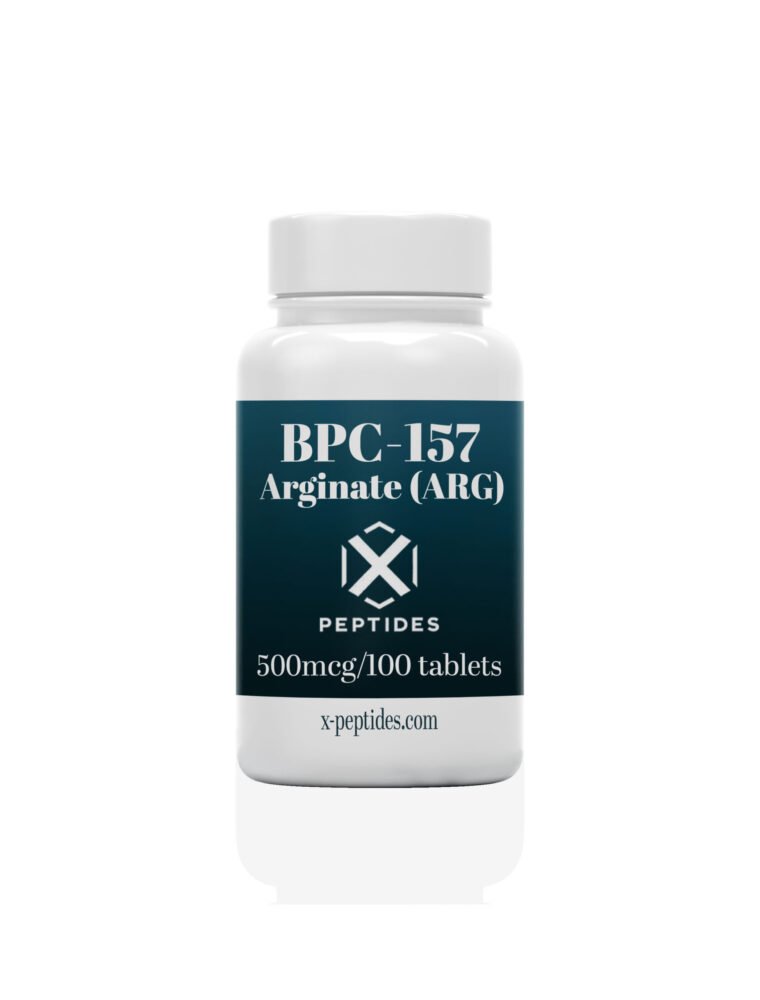
For example, review the BPC-157 Argininate capsule-format listing on its own terms. Check what the product page explicitly states and ask about any missing pack information. A quantity in the title is not a substitute for a complete explanation of what is supplied and how the listed units are described.
Compare exact names, including qualifiers
Keep descriptors such as “Argininate” where they appear in the product name. A similarly named vial and a capsule product may differ in presentation and specification. Do not drop part of a name from the comparison and then assume the remaining words establish equivalence between the items.
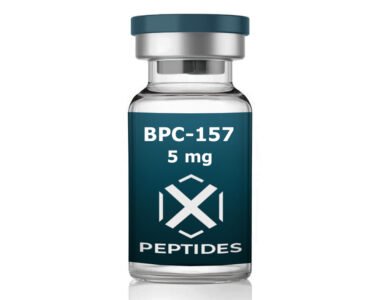
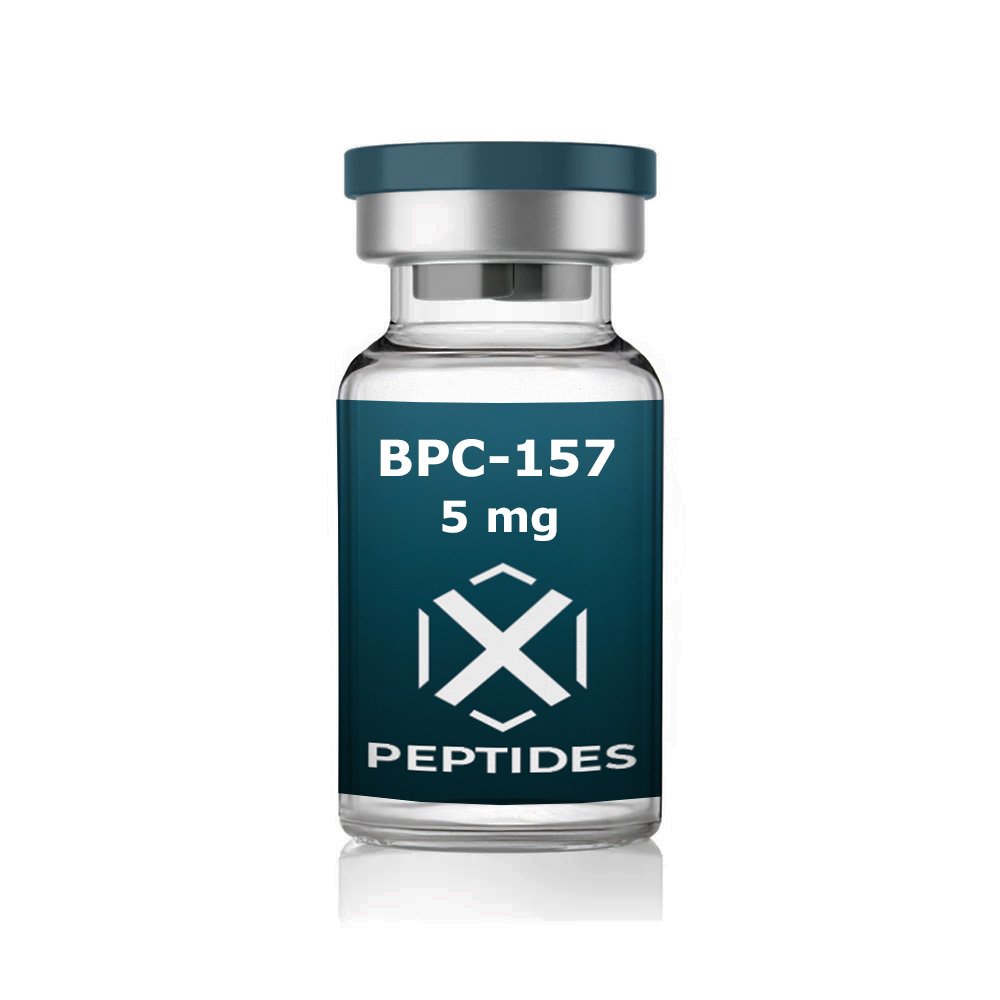
Review the BPC-157 vial page separately from the capsule listing. Your purchasing record should identify the exact item and selected option being considered. If the work requires a particular material specification, confirm it through the relevant product information and supporting documents rather than relying on a photograph or a category title.
Do not import assumptions from another format
A liquid volume, an actuation count, a capsule count and a vial amount are not the same measurement. The spray category can help you find a different presentation, but the specifications still need to be read independently. A statement about one format should not silently become a claim about another.
This also limits the arithmetic you can reasonably do. You cannot calculate a solution concentration from a solid-format product name alone, and a total container amount does not establish a per-unit specification unless that relationship is documented. Ask which information is available before using it in a research workflow.
Request records for the supplied material
If your laboratory needs analytical documentation, identify the exact product, format and selected option in the request. Ask how the available record relates to the material under consideration. A report for a different presentation should not automatically be treated as documentation for the item you intend to order.
Our COA review guide explains how to separate reported findings from broader product claims. The supplier-comparison checklist can also help organise unresolved questions. These checks are useful whether you are reviewing one item or preparing a larger procurement request.
Check the commercial details for an Australian order
Use the live product page and checkout for the current selected option, rather than assuming a headline price applies to every quantity. Provide the actual receiving suburb, state and postcode when asking for destination-specific information. A city keyword does not establish local stock or a guaranteed delivery service.
For a mixed request, use the bulk enquiry guide and give each product its own line. Record the full name, format, amount basis and pack count where stated. If any field is missing, ask the team to clarify it before comparing the proposed terms with another offer.
Frequently asked questions
Are all products in a capsule category peptides?
No classification should be inferred from a navigation label alone. Review the exact compound name and available product information. The catalogue grouping is not a substitute for identifying the material.
Can I compare only the number in the title?
Not reliably. Establish the unit, its meaning and whether it applies to a single item or a complete pack. Keep unknown details visible in your purchasing comparison until they are clarified.
Where should I browse other research formats?
Use the full catalogue or peptide vial category, then compare complete specifications. Choosing a format for an experiment belongs within your laboratory’s validated requirements, not a general shopping guide.
Research use only. This article discusses product information and laboratory procurement. It is not medical advice, a personal-use protocol or a statement of regulatory approval. Research-labelled products are not intended for human or veterinary use.