Australian peptide supplier reviews can tell you about a customer's experience, but they cannot answer every question about a supplier or product. A delivery review, a batch report and a regulatory record describe different things. Reading them as though they are interchangeable can produce a confident conclusion without the evidence needed to support it.
This guide offers a practical framework for comparing feedback with documents. It does not rank sellers, reproduce unverifiable testimonials or claim that this store is the best supplier. The aim is to make each conclusion traceable to the kind of evidence that can actually support it.
Decide what the review is describing
Start by identifying the subject of the comment. Was the reviewer discussing dispatch time, communication, packaging, an invoice correction or the contents of a product? A detailed account of a late parcel may be useful service feedback. It does not establish the identity or purity of the material inside.
Likewise, a five-star score without context gives little information about what was assessed. Note the date, whether the reviewer describes a specific transaction and whether the claim can be understood without guessing. Keep the original wording separate from your own interpretation so later readers can see the difference.
Treat service feedback as service feedback
For an institutional procurement review, look for concrete descriptions of enquiries, document requests and issue resolution. A supplier answering a question clearly is different from simply responding quickly. Record what was requested, what was provided and whether any important question remained unresolved.
Our Australian supplier comparison guide provides a broader framework for those checks. It is useful alongside reviews because a structured enquiry can reveal current information that an older review never addressed. Neither approach should become a substitute for checking the actual goods and proposed transaction.
Analytical evidence belongs in a separate section
A reviewer saying a product was pure is not equivalent to a traceable laboratory result. Ask whether the claim identifies a batch, a test method and the issuing laboratory. If a document is supplied, read its scope and qualifications rather than relying on a percentage repeated in a comment.
Our guide to peptide testing and COAs explains those distinctions. Keep identity, measured purity, quantity and other quality attributes separate. A single test result does not automatically establish every attribute that might matter to a laboratory, and no customer score expands the scope of a laboratory method.
Product photos are useful but limited
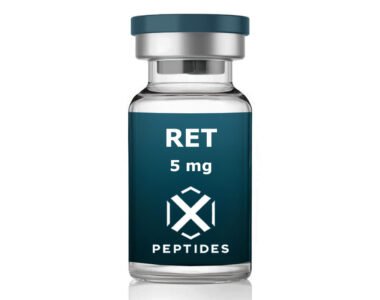
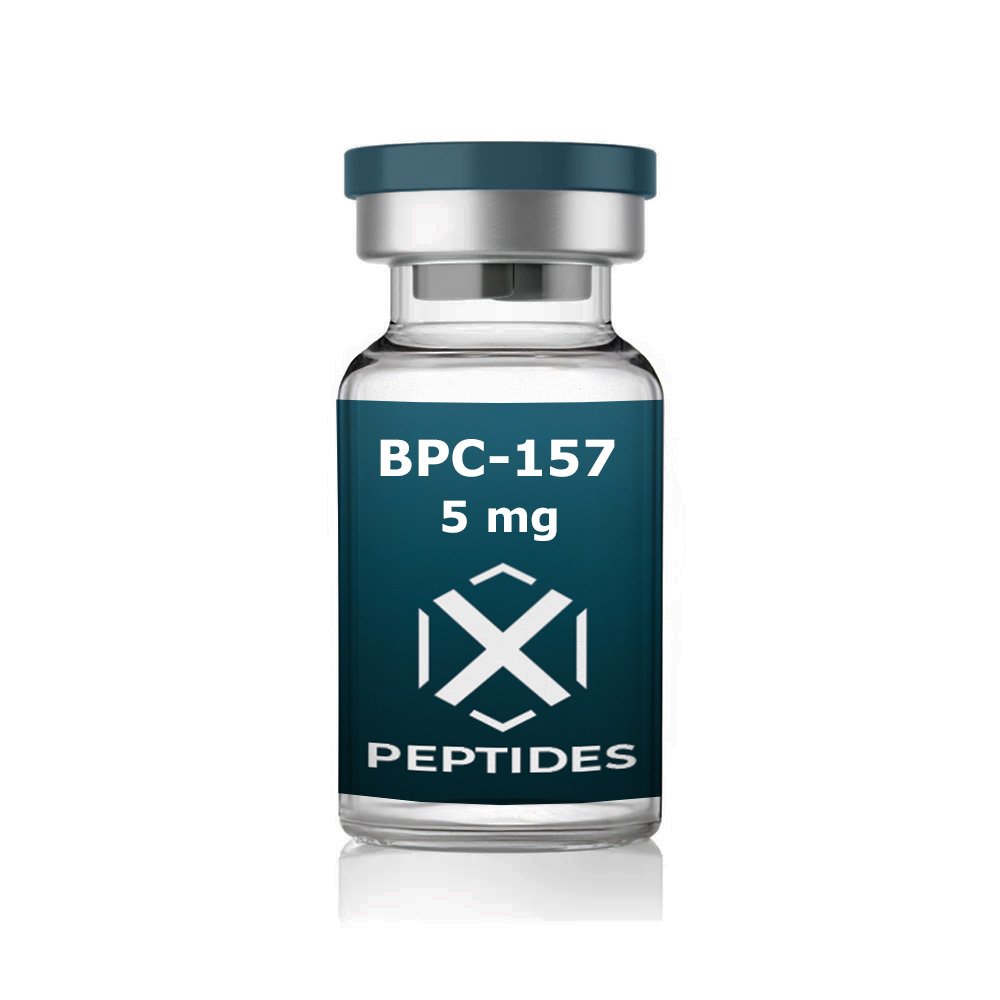
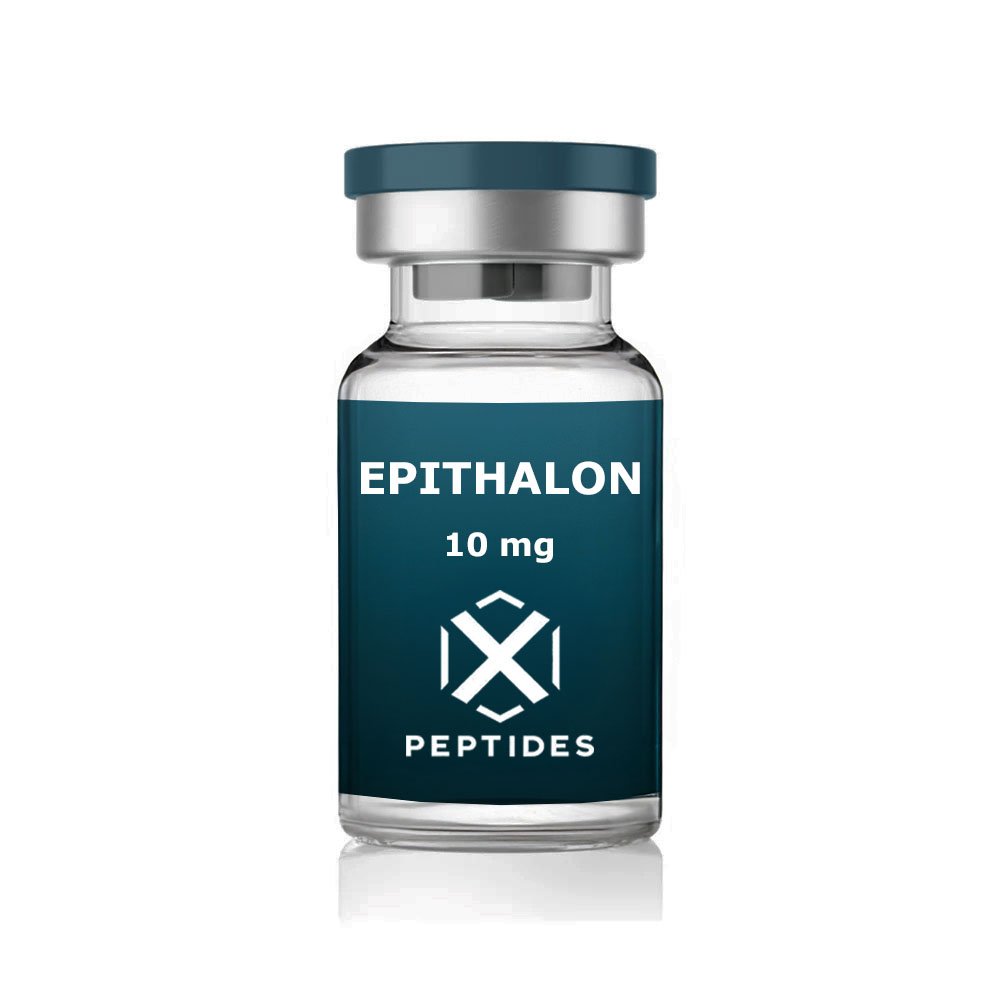
An image can help match a label or presentation to a listing. It cannot establish the chemical identity of the contents, confirm a batch result or prove regulatory approval. Use photographs as visual records, then look for documents that address the question you actually need answered.
The catalogue image in this article is illustrative. It is not a third-party review, an endorsement or an analytical result. Our GHK-Cu format guide and capsule and tablet comparison guide show why labels and product formats need careful reading before different items are compared.
Check approval claims independently
If a review or seller describes a product as TGA approved, ask which exact goods and record the claim refers to. The Australian Register of Therapeutic Goods provides an official starting point for checking therapeutic product entries. Match the actual product and sponsor rather than relying on an ingredient name alone.
A review cannot grant approval to a product or permission for a particular activity. Our peptide legality guide explains why research labels, local stock and website availability do not settle every regulatory question. Record the official information consulted and the date of the check.
Read patterns without inventing certainty
Several detailed accounts of the same service issue may justify asking a supplier how that issue is handled now. They still do not prove that every order has the same outcome. A single enthusiastic review should not outweigh a missing document simply because it sounds confident.
Be cautious about identical wording, unexplained incentives and claims that cannot be tied to a clear experience. These are reasons to seek more information, not proof that a particular reviewer is dishonest. Describe the evidence available and the gaps remaining instead of assigning motives you cannot verify.
Keep comparisons fair and current
Compare suppliers using the same questions and the same time period where possible. If one seller supplies a detailed batch report and another has not been asked for one, record that difference accurately. Do not convert an unanswered enquiry into a claim that documents do not exist.
For bulk enquiries, our wholesale documentation guide helps organise questions consistently. For international transactions, consult our importing peptides guide separately. A favourable service review does not establish that a particular consignment can lawfully enter Australia or that the reviewer checked the relevant requirements.
What should a useful comparison record contain?
Record the exact product, the review source and date, the service issue discussed, the documents obtained and any unanswered questions. Add a separate column for independently checked regulatory information. Preserve links or copies so another person can understand how each conclusion was reached.
Use the contact page to request factual catalogue or batch information. Evaluate the reply against your checklist. If a supplier cannot answer a material question, leave it marked unresolved rather than replacing it with a star rating or a positive comment about delivery speed.
Can reviews identify the best peptide supplier in Australia?
Reviews alone cannot establish a universal best supplier. Different organisations have different documented requirements, and feedback often measures only a small part of the transaction. A defensible comparison explains which criteria were used, which evidence supports them and where uncertainty remains.
Keep the final assessment proportionate to that evidence. Clear communication, appropriate documentation and independently checked claims are more useful than an unsupported ranking. For personal health questions, seek an Australian registered health practitioner's advice rather than relying on reviews of research-labelled products.
Information checked 20 October 2026. This article does not establish product approval or authorise a transaction. Consult current official sources and qualified advice for your circumstances.