Searching for the best place to buy peptides online in Australia often produces a long list of stores, price claims and purity badges. A more useful starting point is an exact purchasing requirement: which compound, in which format, with what supporting information? That turns a broad search into a comparison your laboratory can actually review.
This guide explains how to compare research peptide suppliers without treating a polished website, a low price or a familiar product name as proof of suitability. Start with the research catalogue and use the checks below to identify questions that need answering before an order is approved.
1. Define the product before comparing suppliers
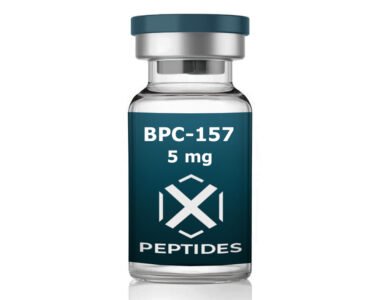
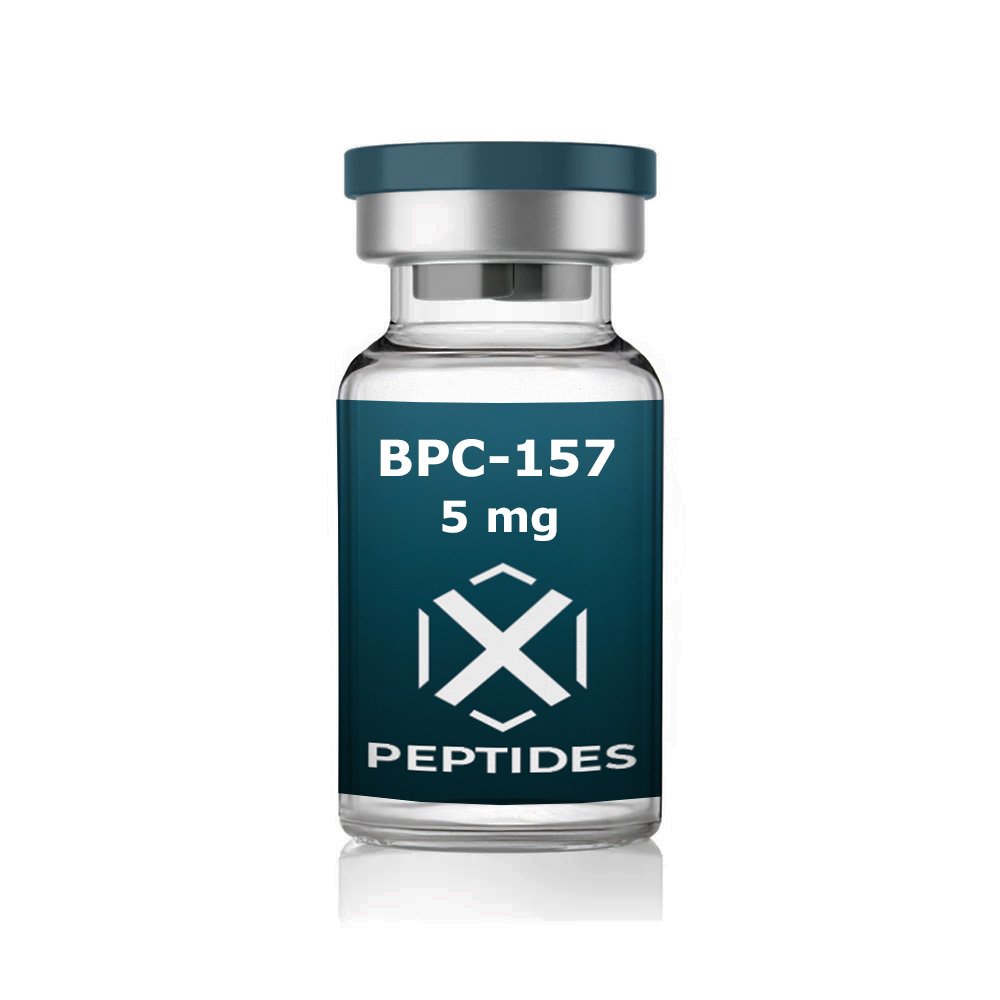
Write down the complete compound name, the required quantity and the presentation. For example, a BPC-157 vial listing and a capsule listing are not interchangeable specifications simply because both contain BPC-157 in their names. A blend also needs its individual components identified rather than being compared only by a combined mass.
Keep version descriptors, salts, complex names and other qualifiers in the comparison. If a title uses an abbreviation, ask what it means. Expanding an unfamiliar label by guesswork can create a mismatch that no later price comparison will correct. Where the description and selected option appear inconsistent, request clarification rather than choosing whichever figure seems more attractive.
2. Separate identity, quantity and documentation
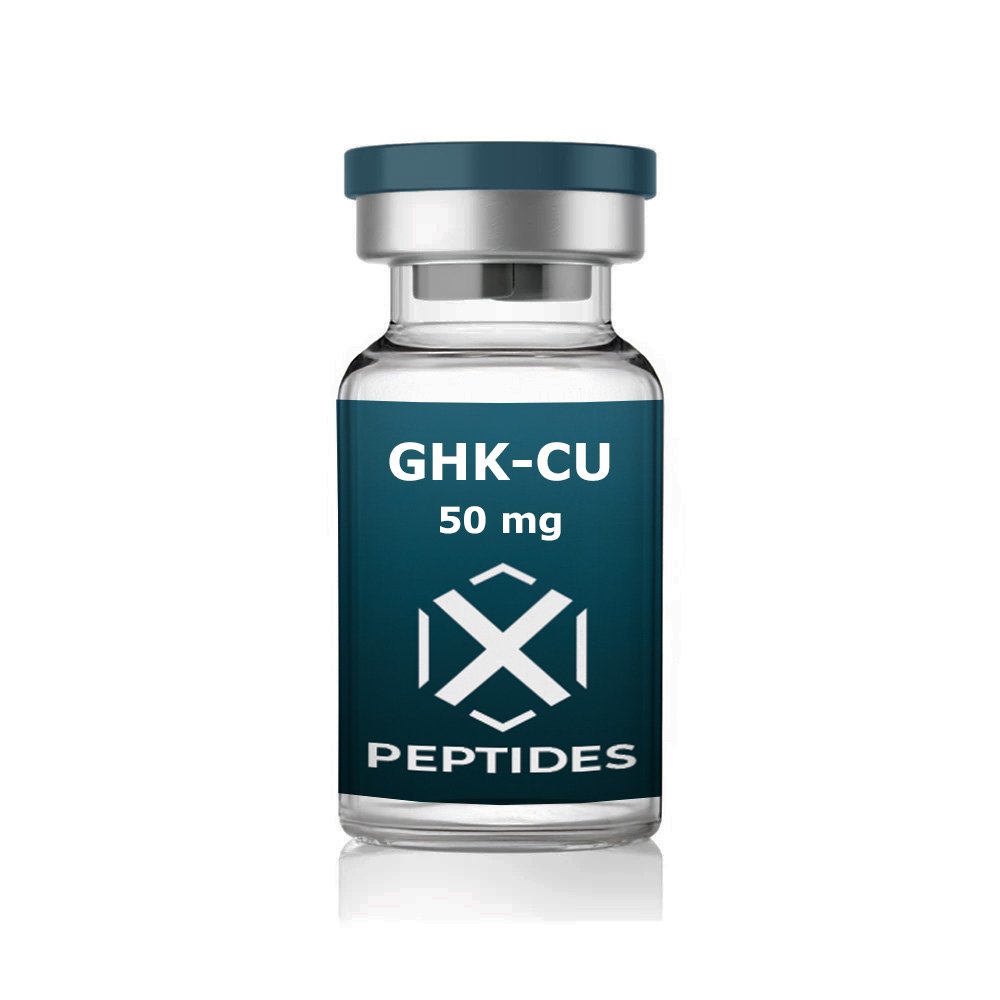
A product photograph identifies the catalogue presentation; it does not establish what an analytical report found. Ask which records are available for the exact listing and relevant batch, and which identifiers connect those records to the proposed purchase. Your institution may require information that a general product description does not include.
The guide to peptide purity testing and COAs explains the difference between a product claim and a report you can review. If documentation is essential to procurement, obtain it before ordering. Do not assume that a report for a similarly named item applies to a different quantity, format or batch.
3. Compare like-for-like prices
Record the selected product option, pack count, listed compound amount and any volume information separately. One item might be a single vial, another a multi-item pack, and another a solution. A price beside the parent product name may not identify the final option you intend to purchase.
Compare the information available at checkout as well as the catalogue price. Note any delivery charge, currency and order conditions that apply to your request. If a requirement is unclear, ask for confirmation; do not fill a missing field with an assumption. The cheapest headline figure is not a complete purchasing comparison when the underlying specifications differ.
4. Check what the Australian location claim actually means
A domain name, city keyword or Australia-focused page does not by itself identify a dispatch location. If the origin of the shipment or a particular receiving window matters, ask the supplier directly. Likewise, a city guide does not prove there is a branch, local stock or a collection point there.
For your order, provide the actual suburb, state, postcode and receiving contact. Separate a billing address from the location where material is required. You can contact AU Peptides Shop with those details and the selected products, then request the information applicable to that enquiry. Avoid arranging laboratory work around an unconfirmed arrival date.
5. Review the communication, not just the promises
A useful response should answer the question you asked. If you requested a specific quantity or document, check that the reply addresses that item rather than repeating a general quality statement. Keep the product name, selected option and important clarifications together in the purchasing record.
For a larger request, use the wholesale peptide enquiry checklist. Listing several compounds on one message is fine, but each item still needs a clear specification. A bulk enquiry does not automatically reserve stock or establish a discount, and a previous quotation should not be treated as a permanent price list.
A practical supplier-comparison record
For each candidate listing, record the full product name, format, selected quantity, pack size where stated, available documentation, price and destination-specific order information. Add a final field for unresolved questions. This makes missing information visible instead of allowing it to disappear inside an informal conversation.
You can compare the peptide vial category, spray-format listings and capsule-format listings without assuming that every item in a category is the same type of compound. The category helps navigation; the individual specification is what your laboratory must review.
Frequently asked questions
Is a high purity badge enough to choose a supplier?
No. Ask what the stated figure describes and which product and batch records support it. A general badge is not a substitute for the particular evidence required for your procurement decision.
Does this article rank Australian peptide stores?
No. It provides a comparison method rather than an unsupported league table. Apply the same questions to AU Peptides Shop and to any other catalogue under consideration, then review the actual responses and records.
Where should I start?
Choose one clearly identified listing, such as the GHK-Cu product page, and write down the facts it states and the questions it leaves open. A short, precise enquiry is a better starting point than a broad request for the “best peptides”.
Research use only. This article discusses product information and laboratory procurement. It is not medical advice, a personal-use protocol or a statement of regulatory approval. Research-labelled products are not intended for human or veterinary use.