HGH peptides Australia is a broad search phrase, not a precise product identity. Search results may mix full-length human growth hormone, peptide fragments and unrelated products discussed in the same commercial category. Understanding the name on the label is the first step toward understanding what is actually being described.
This guide explains terminology and document checks. It does not recommend hormone use, describe treatment benefits or provide a dosing protocol. Regulatory references were checked on 20 October 2026. A catalogue listing does not establish approval or lawful availability for human use.
What does HGH mean?
HGH means human growth hormone. The US National Library of Medicine's MeSH record describes human growth hormone as a polypeptide containing 191 amino acids. That identity is more specific than a broad shop heading containing the words hormone or peptide.
When reading a listing, record the full substance name instead of shortening it to HGH in your notes. Ask whether the product is described as a finished medicine, a laboratory material or something else. Those descriptions raise different questions and must be checked against the actual goods, not just the search phrase that led to the page.
A fragment is not the full-length hormone
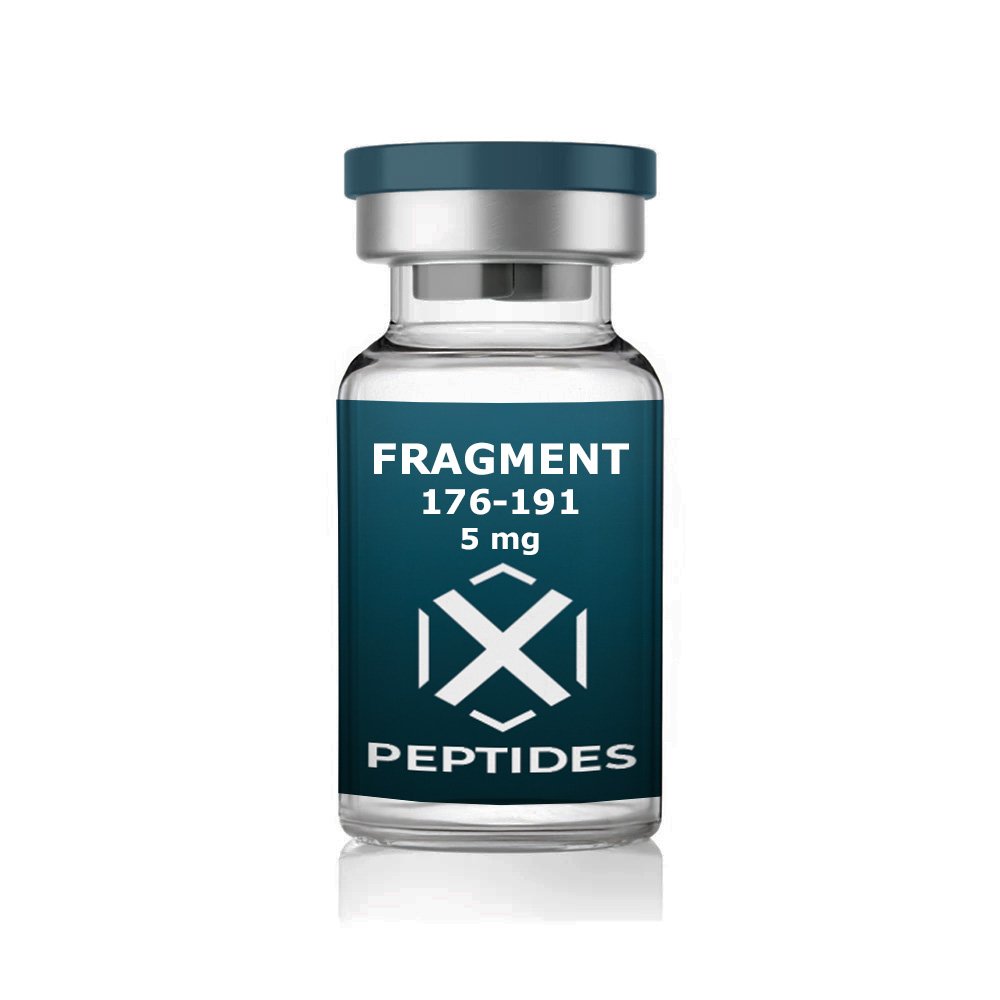
The Fragment 176-191 catalogue listing uses a fragment name and a mass quantity. That wording should not be silently changed into full-length HGH in a comparison spreadsheet, article or enquiry. A name referring to part of a sequence does not identify the complete hormone.
The listing is linked here only to illustrate naming. This article does not independently authenticate that material or establish regulatory approval. A product image shows packaging or catalogue presentation; it cannot establish sequence identity, purity or suitability for an intended application.
Do not group different identities under one comparison
Before comparing prices, create separate rows for each exact name, formulation and stated quantity. Preserve distinctions between full-length materials, fragments and compounds described using broader hormone-related language. A short headline may leave out the very detail needed to decide whether two items belong in the same comparison.
A useful procurement question is: which document establishes the claimed identity of this exact batch? The answer should point to specific evidence, not merely repeat the catalogue title. Our guide to peptide purity testing explains how to inspect reports, methods and sample references without assuming that a percentage answers every quality question.
Milligrams, micrograms and activity units
Milligrams and micrograms are units of mass. One milligram equals 1,000 micrograms. WHO biological reference standards can have assigned potency values in International Units. These units refer to the relevant biological standard; they are not a universal alternative spelling of milligrams.
Do not apply an activity-to-mass conversion from one product to another or from a medicine to a different fragment. Do not use a general peptide calculator to infer a human dose or establish biological equivalence. For laboratory records, retain the units exactly as documented and resolve inconsistencies with the responsible scientific staff before analysis.
Regulatory checks remain product specific
The TGA's peptide products information distinguishes products by ingredients, presentation, claims and intended purpose. A research label is not an approval certificate. Our guide to peptide legality in Australia explains how to separate product identity from the legal questions surrounding particular activities.
For imports, the Office of Drug Control addresses human growth hormone within its controlled-substances guidance. Do not assume that rules for one named material apply unchanged to every fragment or every product described as an HGH peptide. Obtain a determination for the exact goods and circumstances.
Documents worth keeping together
Keep the label, full product description, invoice and relevant batch report in one file. Record the supplier's name, report date, sample reference and stated analytical methods. Note whether documents describe the supplied product or a different sample. If the name changes between documents, ask for a clear explanation and corrected records.
Our supplier comparison guide provides a broader framework for checking traceability and communication. For larger institutional enquiries, the bulk documentation guide helps organise those same questions across multiple materials. Neither article verifies a supplier's claimed regulatory status or certifies a product for an intended use.
Reading Australian supplier reviews
A review about fast delivery cannot establish that a vial contains the full-length hormone rather than a fragment. Nor does a customer's reported experience authenticate a substance. Treat service feedback and scientific evidence as different types of information.
The Australian supplier reviews guide explains this distinction in more detail. For terminology that is equally vulnerable to shorthand, see our reta naming and research-status guide. The same rule applies: an abbreviated search term is a starting point for questions, not a substitute for an exact identity.
Questions to ask about an unclear listing
Ask for the complete substance name, stated formulation, amount per container and available batch-specific evidence. Ask which parts of the description are confirmed by documents and which are merely category labels. If the product is being represented as an approved medicine, independently verify the precise regulatory claim.
For factual questions about catalogue wording, use the contact page. If your interest concerns a personal health condition or treatment, consult an Australian registered health practitioner. A research catalogue and an educational terminology article cannot determine an appropriate medicine or replace clinical assessment.
Is every HGH peptide the same thing?
No. The phrase is too imprecise to establish equivalence. Preserve the full name and units, check the supporting documents and assess the regulatory position separately. That approach produces a useful comparison without turning a broad keyword into an unsupported claim about what a product contains or is authorised to do.
Information checked 20 October 2026. This article does not establish product approval or authorise a transaction. Consult current official sources and qualified advice for your circumstances.