Peptide purity testing in Australia is a useful topic to understand before comparing a percentage on a product page. The important question is not simply whether a certificate exists. It is whether the document identifies the material you are considering, explains the reported measurement and provides information relevant to your laboratory’s requirements.
A certificate of analysis, often shortened to COA, should be read as a report with a scope and limitations. This guide offers a procurement checklist, not a laboratory test method or an endorsement of any particular certificate. You can use it while reviewing the research catalogue or requesting records through the contact page.
First, match the document to the proposed purchase
Start with the full product identity and the relevant sample or batch identifier. Check whether the named compound, version and supplied format match the listing. A report for a standalone compound should not automatically be treated as documentation for a blend containing it.
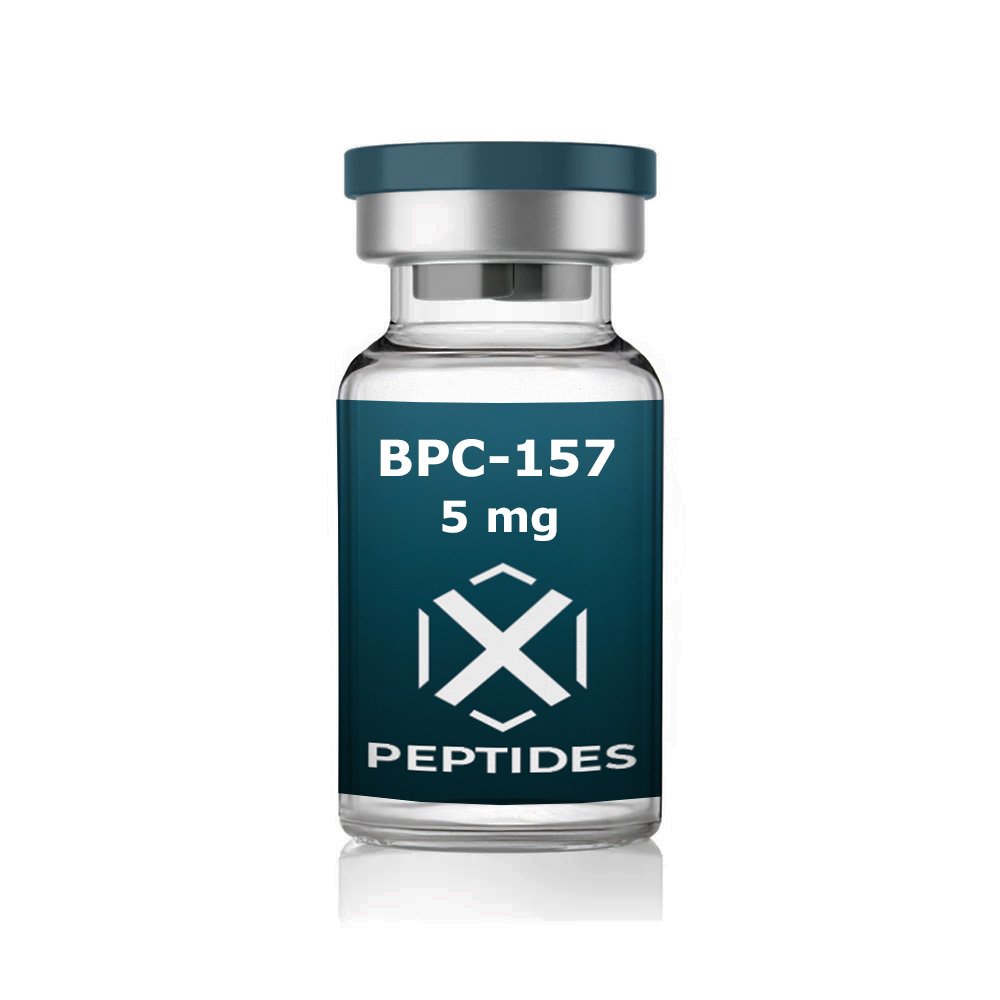
If your purchase is a particular option on a variable product page, record that option. Ask how the document relates to the material currently being considered. A familiar name, an attractive certificate layout or a photograph of a vial does not establish that connection by itself. Missing identifiers are a reason to request clarification, not to infer a match.
Identity, assay and purity answer different questions
The FDA’s description of its quality-testing programme distinguishes identity testing from assay: one concerns whether the material is what the label identifies, while the other examines the amount present. The ICH Q2(R2) overview published by EMA likewise treats identity, assay and impurity measurements as distinct analytical purposes.
For procurement, ask which question each reported result addresses. A percentage without a named method, measurement basis and relevant sample identifier is incomplete information for comparison. Do not silently turn one type of result into an answer to another question. These references explain analytical concepts; they do not certify any product sold by AU Peptides Shop.
Read what the reported percentage actually describes
If a report presents a chromatographic result, ask how the laboratory calculated and expressed it. Do not assume that a figure described as peak area is the same as a confirmed mass of peptide in every container. Request a plain-language explanation of the result if the report does not make its basis clear.
Also distinguish a test result from the purchase specification. Your laboratory should decide which records and acceptance criteria it requires. This article does not set a universal purity threshold or declare that a material is appropriate for a particular experiment merely because a number exceeds another supplier’s headline figure.
Check the method information and the limits of the claim
Look for the test or method designation, the reported result, the units where applicable and any stated qualification. If a table uses “pass”, ask which acceptance criterion was applied. If a result is absent, do not treat the absence as proof that the property was tested and found acceptable.
The ICH Q6A specification guidance discusses specifications in terms of tests, procedures and acceptance criteria. Used as a general reading principle, that distinction helps separate what was measured from what was considered acceptable. It is not a statement that these research listings satisfy a medicinal-product standard.
Verify the report’s source where it matters
If independent testing is important to your purchasing process, ask who performed the analysis and how the relevant report can be verified. Use contact information independently confirmed for that laboratory rather than relying only on a logo copied into a document. A certificate number is useful only when it can be connected to an authentic record and the correct sample.
Keep the original file and the supplier’s explanation together. If a revised report is supplied, record which version was used for approval. Avoid altering certificate images, removing qualifications or presenting a report for one material as though it tested a different product. A supplier comparison should preserve the context that makes the result interpretable.
Questions to include in a documentation enquiry
State the exact listing and option, the quantity being considered and the records your institution needs before ordering. Ask which batch is relevant, what each reported result means and whether any requested analysis is unavailable. It is better to identify a documentation gap before procurement than to discover it after receipt.
For examples of distinct listings, review the BPC-157 vial page and GHK-Cu listing. Do not assume that documentation for either transfers to the other. Our supplier-comparison guide and bulk-enquiry checklist explain how to keep these questions attached to the purchasing record.
Frequently asked questions
Does a COA prove every property of a product?
No. Review the properties actually reported, the method information and the link to the relevant material. A report should not be expanded into an unstated guarantee about other characteristics.
Can I request documents before choosing a product option?
You can ask what is available, but identify the option you intend to review as soon as possible. The vial, spray and capsule categories include different presentations that need their own product checks.
Research use only. This article discusses product information and laboratory procurement. It is not medical advice, a personal-use protocol or a statement of regulatory approval. Research-labelled products are not intended for human or veterinary use.