Are peptides legal in Australia? There is no reliable yes-or-no answer covering every peptide, product and transaction. A name on a website does not establish whether particular goods can be imported, supplied, advertised or used in a particular setting. Start with the exact product and the proposed activity rather than a broad list of compounds described as legal.
This guide explains how to organise that check. It does not certify products in this catalogue as approved or lawful for a particular purpose. Regulatory information was checked on 20 October 2026; consult the linked official guidance again before making a decision.
Why the product matters more than the keyword
The TGA's peptide products overview explains that not every peptide product falls within its remit. Ingredients, presentation, claims and intended purpose matter. Products presented for therapeutic purposes can attract therapeutic goods requirements; describing an ingredient as a peptide does not settle the classification.
Write down the complete name, formulation, strength, manufacturer and proposed purpose. Keep the product page and packaging details together. If two listings use the same headline but describe different contents or formats, assess them separately. A catalogue category, product photo or Australian domain name cannot answer the regulatory question by itself.
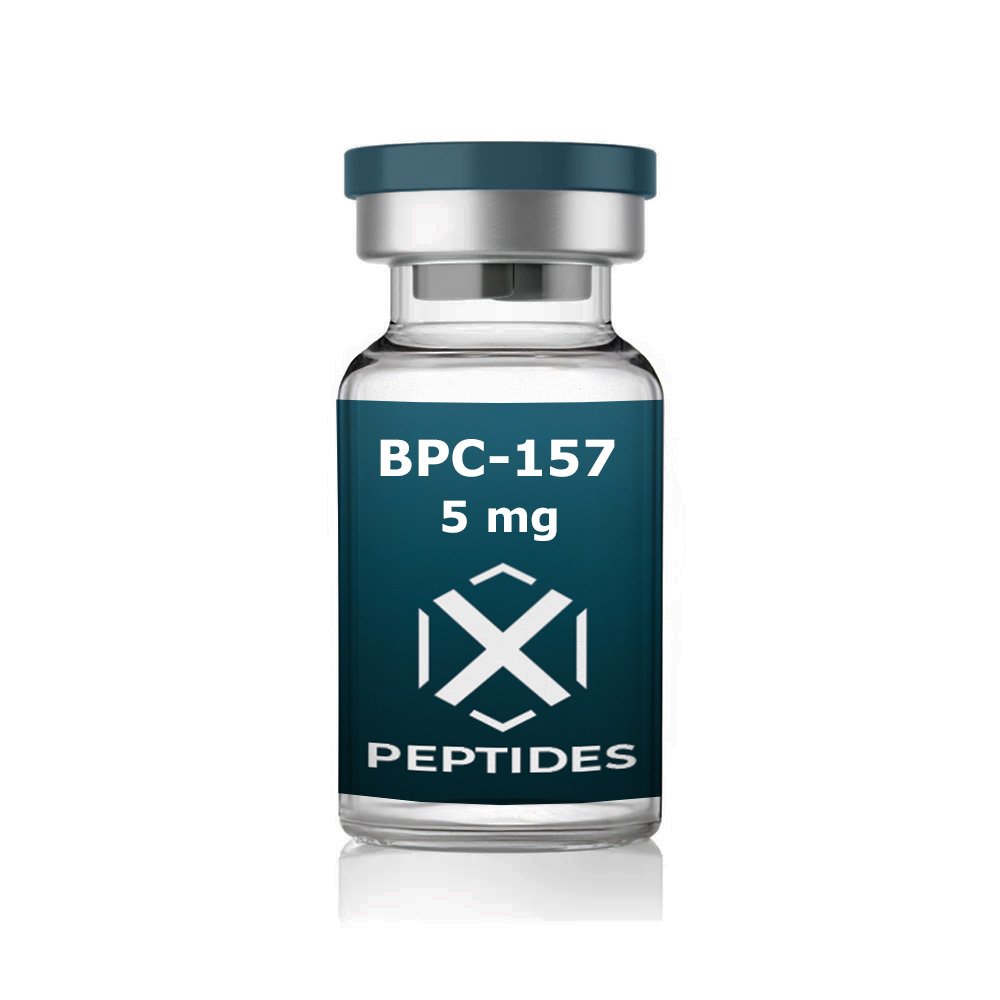
A research label is not regulatory approval
The TGA's guidance on how therapeutic peptide products are regulated makes clear that research-only or not-for-human-use wording does not remove applicable obligations. Therapeutic peptide goods generally require ARTG inclusion or an applicable approval, authority or exemption for the relevant activity.
Consequently, do not treat a disclaimer as permission to buy material for self-administration. Equally, do not assume that a laboratory requisition automatically resolves every legal issue. An institution should establish the applicable requirements through its own responsible staff and obtain qualified advice where classification is uncertain.
Our guide to peptide testing and certificates addresses a different question: what analytical evidence actually supports a sample description. A laboratory report may help establish identity or measured characteristics, but it is not a regulatory authorisation.
What an ARTG search can and cannot tell you
The Australian Register of Therapeutic Goods is an official starting point for checking therapeutic product records. Match the actual goods, sponsor and relevant entry details rather than accepting a screenshot for a similarly named ingredient.
Record the search date and the entry consulted. If a supplier claims approval, ask which precise product the claim covers. Approval associated with one finished medicine should not be transferred to another seller's vial, another formulation or an entire catalogue. Where an exemption is claimed, ask for a specific explanation relevant to the proposed transaction and have it assessed independently.
Supply, advertising and importing are separate questions
A product being visible online does not demonstrate that every activity involving it is permitted. Consider who is supplying the goods, who will receive them, what claims accompany them and where the transaction occurs. The answer to one of those questions may not answer the others.
For an overseas order, read our guide to importing peptides into Australia alongside the official sources it links. For a business enquiry, our bulk documentation guide helps organise supplier questions without establishing permission to import or resell. Do not use either article as a substitute for a product-specific regulatory assessment.
Keep identity, quality and legality in separate records
A useful review file has three sections. Identity records describe what the material is claimed to contain. Quality records describe the sample tested, the methods used and the limits of the results. Regulatory records identify the rules and any authorisations relevant to the specific proposed activity.
This separation helps prevent a common reasoning error: a clear label becomes a claim of purity, and a purity percentage then becomes a claim of lawful human use. None of those conclusions follows automatically. See our supplier comparison guide and guide to interpreting supplier reviews for ways to distinguish documentary evidence from sales language and customer experience.
Questions to resolve before proceeding
Ask whether the exact substance and finished product are clearly identified. Ask which activity is contemplated: laboratory procurement, therapeutic supply, advertising, possession or importation. Identify who is responsible for checking the relevant Commonwealth and state or territory requirements. Record any unanswered questions and pause the transaction while they remain material.
For catalogue information, use the contact page to request existing labels and batch documents. A seller's reply can supply facts for review; it cannot replace an independent legal determination. If your interest concerns personal treatment, discuss approved options with an Australian registered health practitioner instead of selecting a research-labelled product from an online list.
Is there a simple list of legal peptides?
A list of names cannot reliably capture every product, use and supply arrangement. Search phrases such as what peptides are legal in Australia are best answered with a method for checking the exact goods, not a blanket promise that everything under a research heading is permitted.
Does local stock settle the question?
No. Stock location and dispatch speed describe fulfilment. They do not establish approval, lawful advertising or suitability for human use. Keep those claims separate when reading listings and reviews, and recheck official guidance if the product, intended purpose or proposed transaction changes.
Information checked 20 October 2026. This article does not establish product approval or authorise a transaction. Consult current official sources and qualified advice for your circumstances.