-
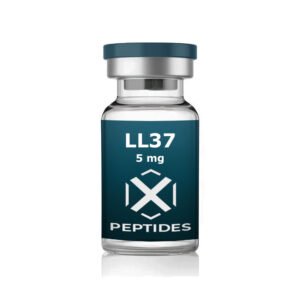
LL37 5mg x 10 Vials
LL-37 5mg: LL-37 is the human cathelicidin-derived antimicrobial peptide named for its thirty-seven-residue sequence and amino-terminal leucines. Its sequence-dependent interactions with membranes are an experimental subject, not an assurance about the behaviour of a catalogue sample. Reference identity and assay context should be documented together. This listing uses a vial presentation; finished-format specifications must be distinguished from the reference molecule. Intended exclusively for controlled in vitro laboratory research; not for human or veterinary use.
$48.58$53.97 -
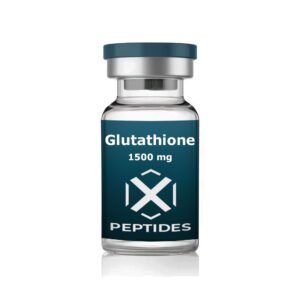
Glutathione 1500mg x 10 Vials
Glutathione 1500mg: Glutathione is a tripeptide composed of glutamate, cysteine and glycine, with an unusual gamma-glutamyl linkage. Reduced glutathione and oxidised glutathione are distinct analytical species. This redox distinction is especially relevant when defining the substance being measured in a biochemical model. This listing uses a vial presentation; finished-format specifications must be distinguished from the reference molecule. Intended exclusively for controlled in vitro laboratory research; not for human or veterinary use.
$32.50$36.10 -
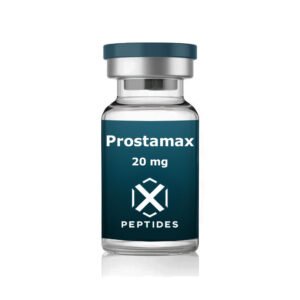
Prostamax 20 mg x 10 Vials
Prostamax 20 mg: Prostamax is a short-peptide catalogue designation. Analytical evaluation starts by resolving what the catalogue name represents in the supplied material. Sequence-defined short peptides, chemically modified analogues and heterogeneous mixtures require different reference strategies; they should not inherit numerical chemistry simply because their product titles look similar. This listing uses a vial presentation; finished-format specifications must be distinguished from the reference molecule. Intended exclusively for controlled in vitro laboratory research; not for human or veterinary use.
$42.23$46.93 -
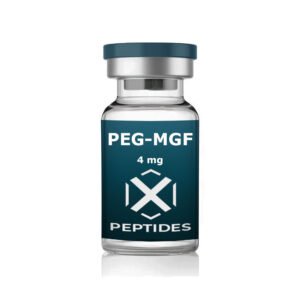
PEG-MGF 4mg x 10 Vials
PEG-MGF 4mg: PEG-MGF is a PEG-associated mechano-growth-factor-related peptide designation. Analytical evaluation starts by resolving what the catalogue name represents in the supplied material. Sequence-defined short peptides, chemically modified analogues and heterogeneous mixtures require different reference strategies; they should not inherit numerical chemistry simply because their product titles look similar. This listing uses a vial presentation; finished-format specifications must be distinguished from the reference molecule. Intended exclusively for controlled in vitro laboratory research; not for human or veterinary use.
$45.34$50.38 -
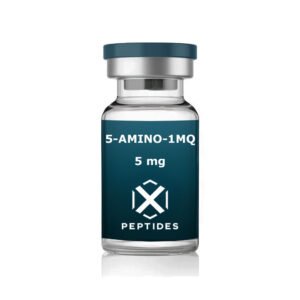
5-amino-1mq 5mg x 10 Vials
5-Amino-1MQ 5 mg: 5-Amino-1MQ is a small-molecule research designation for 5-amino-1-methylquinolinium-related material. It is not a peptide. The quinolinium species and a supplied salt, such as a specified counterion-containing form, must be distinguished when interpreting formula and molecular-weight information. This listing uses a vial presentation; finished-format specifications must be distinguished from the reference molecule. Intended exclusively for controlled in vitro laboratory research; not for human or veterinary use.
$64.98$72.21 -
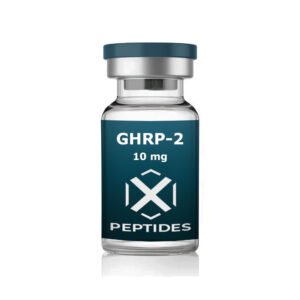
GHRP-2 Acetate 10mg x 10 Vials
GHRP-2 10mg: GHRP-2 is a synthetic growth-hormone-releasing peptide studied in secretagogue receptor systems. Its small peptide structure contains non-standard residue features that are important to reference identity. The number in its name distinguishes it from GHRP-6 and should remain visible in analytical records. This listing uses a vial presentation; finished-format specifications must be distinguished from the reference molecule. Intended exclusively for controlled in vitro laboratory research; not for human or veterinary use.
$25.99$28.88 -
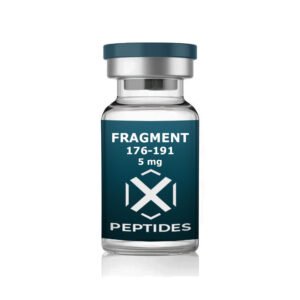
HGH Fragment 176-191 5mg x 10 Vials
Fragment 176-191 5mg: HGH Fragment 176–191 is a sequence-range designation associated with the C-terminal region of human growth hormone. A fragment contains only a portion of the parent protein, so its chemical identity must be established independently from a full-length HGH preparation. The fragment name alone does not resolve every terminal modification or salt form. This listing uses a vial presentation; finished-format specifications must be distinguished from the reference molecule. Intended exclusively for controlled in vitro laboratory research; not for human or veterinary use.
$42.23$46.93 -
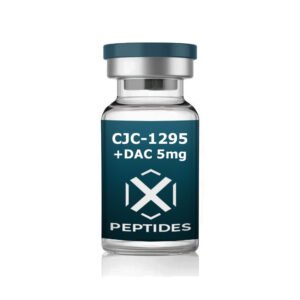
CJC-1295 With DAC 5mg x 10 Vials
CJC-1295 + DAC 5mg: CJC-1295 DAC identifies a growth-hormone-releasing-hormone-related peptide with a drug-affinity-complex modification. The conjugating group is part of the chemical identity and distinguishes it from a peptide sold without DAC. Reference selection must therefore account for the modification rather than using only a shortened peptide name. This listing uses a vial presentation; finished-format specifications must be distinguished from the reference molecule. Intended exclusively for controlled in vitro laboratory research; not for human or veterinary use.
$48.68$54.10 -
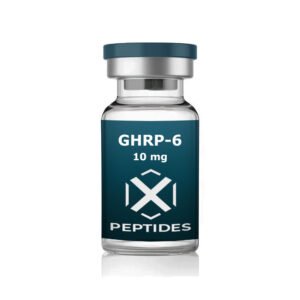
GHRP-6 Acetate 10mg x 10 Vials
GHRP-6 10mg: GHRP-6 is a synthetic hexapeptide described in growth-hormone-secretagogue research. Its six-residue structure and stereochemical composition provide a defined basis for analytical characterisation. It should be identified as its own compound rather than treated as a generic synonym for all growth-hormone-releasing peptides. This listing uses a vial presentation; finished-format specifications must be distinguished from the reference molecule. Intended exclusively for controlled in vitro laboratory research; not for human or veterinary use.
$25.99$28.88 -
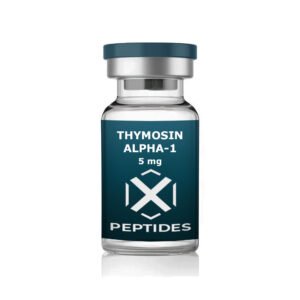
Thymosin Alpha-1 5mg x 10 Vials
Thymosin alpha 1 5mg: Thymosin alpha-1 is an N-terminally acetylated peptide also associated with the name Thymalfasin. Its sequence and acetylation are part of the reference chemical identity. It is distinct from thymosin beta-4-related materials and from mixed tissue-derived peptide preparations. This listing uses a vial presentation; finished-format specifications must be distinguished from the reference molecule. Intended exclusively for controlled in vitro laboratory research; not for human or veterinary use.
$51.82$57.59 -
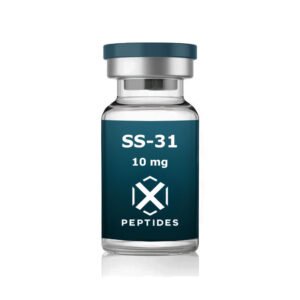
SS-31 x 10 Vials
SS-31: SS-31, also known as Elamipretide, is a synthetic tetrapeptide containing non-standard residue chemistry. It is studied in mitochondrial membrane and biochemical research systems. Its modified small-peptide structure requires an exact chemical reference rather than an assumption based on standard amino-acid composition alone. This listing uses a vial presentation; finished-format specifications must be distinguished from the reference molecule. Intended exclusively for controlled in vitro laboratory research; not for human or veterinary use.
$74.73$83.02 -
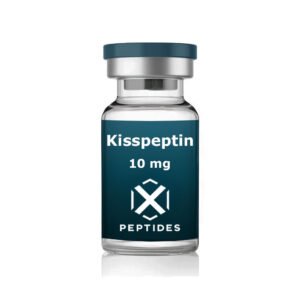
Kisspeptin 10 mg x 10 Vials
Kisspeptin 10 mg: Kisspeptin is a family designation covering peptides with different sequence lengths. The name is associated with KISS1-derived signalling peptides and their receptor systems. A listing titled only Kisspeptin does not establish whether it represents kisspeptin-10, kisspeptin-54 or another defined sequence. This listing uses a vial presentation; finished-format specifications must be distinguished from the reference molecule. Intended exclusively for controlled in vitro laboratory research; not for human or veterinary use.
$42.11$46.78 -
CJC-1295 5mg x 10 Vials
CJC-1295 5mg: CJC-1295 is used in catalogue naming for growth-hormone-releasing-hormone-related research peptides. The full designation is important because materials sold with and without a drug-affinity-complex modification are not the same molecular specification. An abbreviated CJC label should be resolved before selecting a structure or formula. This listing uses a vial presentation; finished-format specifications must be distinguished from the reference molecule. Intended exclusively for controlled in vitro laboratory research; not for human or veterinary use.
$32.50$36.10 -

NAD+ Nicotinamide Adenine Dinucleotide x 10 Vials
NAD+ Nicotinamide Adenine Dinucleotide: NAD+ is nicotinamide adenine dinucleotide in its oxidised form, a nucleotide cofactor used in biochemical research. It is not a peptide and has no amino-acid sequence. Its oxidised reference identity must be distinguished from NADH and from related nucleotide cofactors. This listing uses a vial presentation; finished-format specifications must be distinguished from the reference molecule. Intended exclusively for controlled in vitro laboratory research; not for human or veterinary use.
$42.23 -
IGF-1LR3 1mg x 10 Vials
IGF-1LR3 1mg: IGF-1 LR3 is a modified insulin-like-growth-factor-I designation. The LR3 specification includes an extended amino-terminal region and a residue substitution relative to the parent reference. Those structural features distinguish it from unmodified IGF-1 and from the DES form. This listing uses a vial presentation; finished-format specifications must be distinguished from the reference molecule. Intended exclusively for controlled in vitro laboratory research; not for human or veterinary use.
$81.23$90.26 -
PT-141 10mg x 10 Vials
PT-141 Bremelanotide 10mg: PT-141 is the research designation associated with Bremelanotide, a cyclic peptide studied in melanocortin receptor systems. Its cyclic structure and chemical modifications distinguish it from other melanocortin-related peptides. Reference selection should preserve the full compound identity rather than relying on a category description. This listing uses a vial presentation; finished-format specifications must be distinguished from the reference molecule. Intended exclusively for controlled in vitro laboratory research; not for human or veterinary use.
$42.23$46.93 -
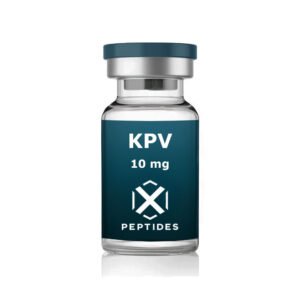
KPV 10mg x 10 Vials
KPV 10mg: KPV is the tripeptide Lys-Pro-Val, a short sequence associated with the C-terminal region of alpha-melanocyte-stimulating hormone. Its three-residue identity distinguishes it from the full-length parent peptide and from cyclic melanocortin analogues. It can be characterised as a defined small peptide. This listing uses a vial presentation; finished-format specifications must be distinguished from the reference molecule. Intended exclusively for controlled in vitro laboratory research; not for human or veterinary use.
$42.10$46.79 -
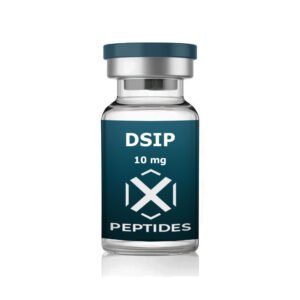
DSIP 10mg Delta Sleep-Inducing Peptide x 10 Vials
DSIP 10mg Delta Sleep-Inducing Peptide: DSIP stands for delta sleep-inducing peptide, a name used for a defined nonapeptide in experimental literature. The name describes a research identity rather than establishing a particular outcome in an assay. Its nine-residue chain can be examined through sequence-sensitive analytical techniques. This listing uses a vial presentation; finished-format specifications must be distinguished from the reference molecule. Intended exclusively for controlled in vitro laboratory research; not for human or veterinary use.
$35.74$39.71