-
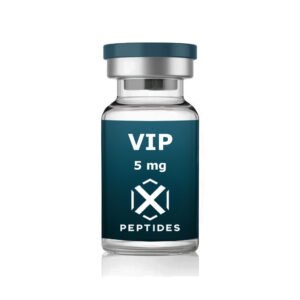
VIP 5 mg x 10 Vials
VIP 5 mg: VIP, vasoactive intestinal peptide, is a peptide signalling molecule studied in receptor-mediated cellular systems. The reference peptide has a defined sequence, while related VIP-family peptides and fragments have separate identities. Retaining the full VIP name helps distinguish it from abbreviated or mixed catalogue descriptions. This listing uses a vial presentation; finished-format specifications must be distinguished from the reference molecule. Intended exclusively for controlled in vitro laboratory research; not for human or veterinary use.
$48.74$54.14 -
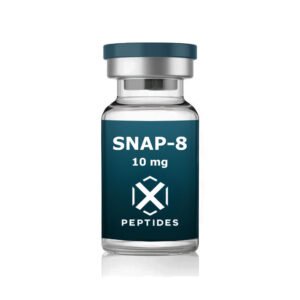
Snap-8 10mg x 10 Vials
SNAP-8 10mg: SNAP-8 is an acetylated peptide research designation also associated with acetyl octapeptide naming. Analytical evaluation starts by resolving what the catalogue name represents in the supplied material. Sequence-defined short peptides, chemically modified analogues and heterogeneous mixtures require different reference strategies; they should not inherit numerical chemistry simply because their product titles look similar. This listing uses a vial presentation; finished-format specifications must be distinguished from the reference molecule. Intended exclusively for controlled in vitro laboratory research; not for human or veterinary use.
$35.63$39.59 -
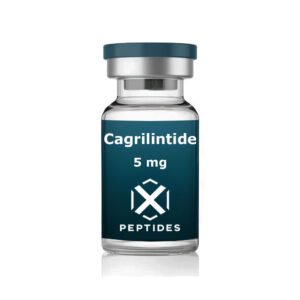
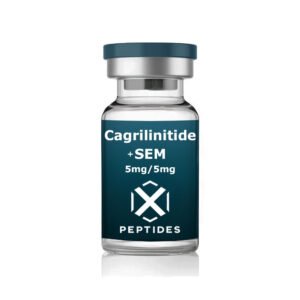
Cagrilintide 5mg x 10 Vials
Cagrilintide 5 mg: Cagrilintide is a modified peptide related to amylin research. Its structure includes modifications beyond an unmodified short peptide chain, making the complete chemical identity important for reference selection. It is a separate molecular entity from other peptides with which it may be combined in a catalogue. This listing uses a vial presentation; finished-format specifications must be distinguished from the reference molecule. Intended exclusively for controlled in vitro laboratory research; not for human or veterinary use.
$110.47$122.75 -
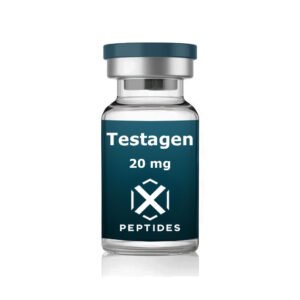
Testagen 20 mg x 10 Vials
Testagen 20 mg: Testagen is a synthetic short-peptide designation associated with the Lys-Glu-Asp-Gly sequence in the cited experimental literature. Studies have examined labelled and unlabelled short peptides in cellular and nucleic-acid systems. These are experimental observations that require the exact material and model to be specified. This listing uses a vial presentation; finished-format specifications must be distinguished from the reference molecule. Intended exclusively for controlled in vitro laboratory research; not for human or veterinary use.
$64.78$71.97 -
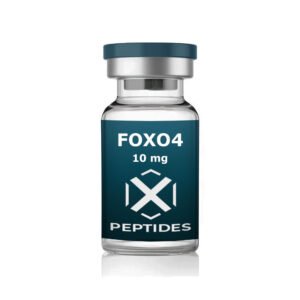
FOXO4-DRI 10mg x 10 Vials
FOXO4-DRI 10mg: FOXO4-DRI is a peptide designation used in research on the FOXO4–p53 interaction. DRI means D-retro-inverso, referring to a stereochemical and sequence-order design rather than simply a different strength. Those features distinguish it from an ordinary all-L peptide carrying a similar name. This listing uses a vial presentation; finished-format specifications must be distinguished from the reference molecule. Intended exclusively for controlled in vitro laboratory research; not for human or veterinary use.
$162.46$180.51 -
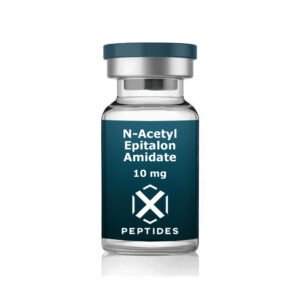
N-Acetyl Epithalon Amidate 10 mg x 10 Vials
N-Acetyl Epithalon Amidate 10 mg: N-Acetyl Epithalon Amidate is a modified Epithalon designation specifying an acetylated amino terminus and an amidated carboxyl terminus. Both terminal descriptors are part of the proposed molecular identity. They should be retained when comparing reference structures, sequence annotations and sample records. This listing uses a vial presentation; finished-format specifications must be distinguished from the reference molecule. Intended exclusively for controlled in vitro laboratory research; not for human or veterinary use.
$35.74$39.71 -
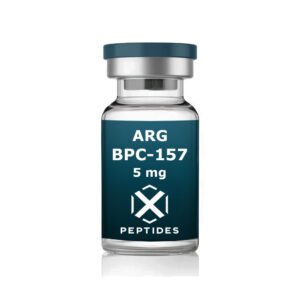
ARG BPC-157 x 10 Vials
ARG BPC-157: BPC-157 Argininate is a formulation designation that includes the BPC-157 peptide and an arginine-related form. BPC-157 itself is a fifteen-residue synthetic peptide. The argininate wording must remain part of the supplied material’s identity; it should not be dropped when comparing certificates, formulation records or a laboratory purchase specification. This listing uses a vial presentation; finished-format specifications must be distinguished from the reference molecule. Intended exclusively for controlled in vitro laboratory research; not for human or veterinary use.
$32.46 -
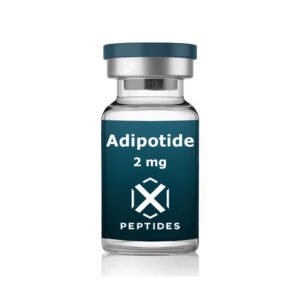
Adipotide x 10 Vials
Adipotide: Adipotide is a research peptide-conjugate designation associated with a targeting segment linked to a pro-apoptotic sequence. Its complete chimeric architecture, including residue configuration, matters to structural identity. It is not described accurately by naming only one of its constituent peptide segments. This listing uses a vial presentation; finished-format specifications must be distinguished from the reference molecule. Intended exclusively for controlled in vitro laboratory research; not for human or veterinary use.
$42.23$46.93 -
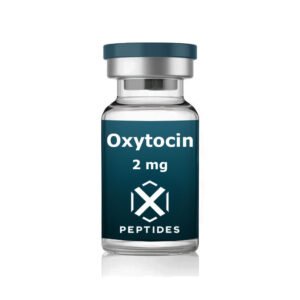
Oxytocin Acetate 2mg x 10 Vials
Oxytocin 2 mg: Oxytocin is a cyclic nonapeptide containing a disulfide bridge and a terminal amide in its reference structure. The cyclic linkage is relevant to structural identity and distinguishes an intact reference molecule from reduced or otherwise altered species. A catalogue concentration or container amount does not establish conformational integrity. This listing uses a vial presentation; finished-format specifications must be distinguished from the reference molecule. Intended exclusively for controlled in vitro laboratory research; not for human or veterinary use.
$25.90$28.78 -
$162.30
$180.33 -

-
-
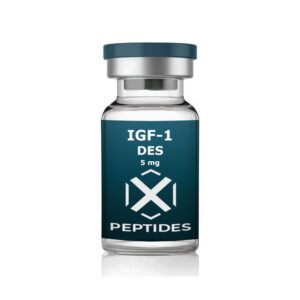
IGF-1 DES 5mg x 10 Vials
IGF-1 DES 5mg: IGF-1 DES refers to a truncated insulin-like-growth-factor-I form associated with removal of the amino-terminal 1–3 residues. It is therefore structurally distinct from parent IGF-1 and from the extended LR3 analogue. The truncation designation is part of the analytical identity. This listing uses a vial presentation; finished-format specifications must be distinguished from the reference molecule. Intended exclusively for controlled in vitro laboratory research; not for human or veterinary use.
$48.68$54.10 -
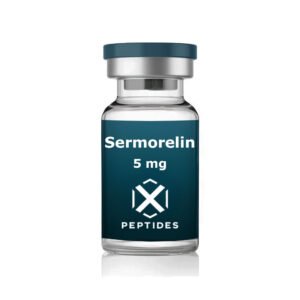
Sermorelin 5 mg x 10 Vials
Sermorelin 5 mg: Sermorelin is a synthetic peptide corresponding to the amino-terminal 1–29 region of human growth-hormone-releasing hormone, with an amidated terminus in the defined reference identity. Its sequence range distinguishes it from longer GHRH-related peptides and from molecules carrying additional chemical modifications. This listing uses a vial presentation; finished-format specifications must be distinguished from the reference molecule. Intended exclusively for controlled in vitro laboratory research; not for human or veterinary use.
$38.96$43.28 -
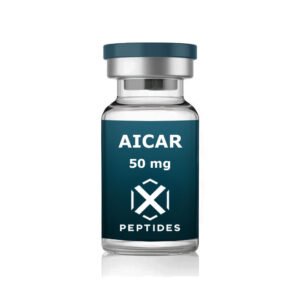
AICAR 50mg x 10 Vials
AICAR 50 mg: AICAR is an ambiguous abbreviation in biochemical literature: it can refer to an aminoimidazole-carboxamide riboside or to its phosphorylated nucleotide-related species. These are chemically different reference materials. The abbreviation on a catalogue title is therefore insufficient for assigning one molecular formula with confidence. This listing uses a vial presentation; finished-format specifications must be distinguished from the reference molecule. Intended exclusively for controlled in vitro laboratory research; not for human or veterinary use.
$71.26$79.18 -
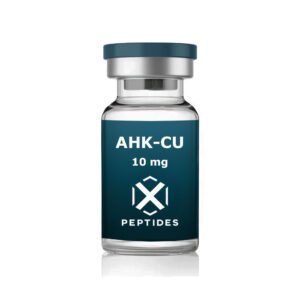
AHK-CU 10 mg x 10 Vials
AHK-CU 10 mg: AHK-Cu denotes a copper-associated tripeptide based on alanine, histidine and lysine. It belongs to a different named ligand identity from GHK-Cu because alanine replaces glycine at the beginning of the peptide. Metal association and peptide sequence therefore need to be considered together when defining a reference. This listing uses a vial presentation; finished-format specifications must be distinguished from the reference molecule. Intended exclusively for controlled in vitro laboratory research; not for human or veterinary use.
$32.50$36.10 -
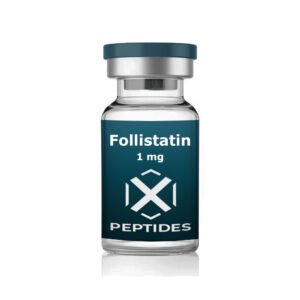
Follistatin 1mg x 10 Vials
Follistatin 1mg: Follistatin is a protein designation covering forms with different sequence lengths and expression characteristics. A product named only Follistatin does not establish its exact isoform, expression system or glycosylation state. Those details affect how a meaningful molecular reference is selected. This listing uses a vial presentation; finished-format specifications must be distinguished from the reference molecule. Intended exclusively for controlled in vitro laboratory research; not for human or veterinary use.
$97.17$107.96 -
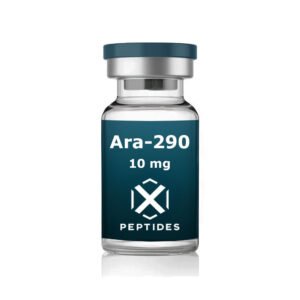
Ara-290 10mg x 10 Vials
Ara 290 10 mg: ARA-290, also known as Cibinetide, is a synthetic peptide associated with an erythropoietin-derived structural motif. It is a distinct peptide reference rather than the full erythropoietin protein. The shorter designed structure provides a separate analytical target. This listing uses a vial presentation; finished-format specifications must be distinguished from the reference molecule. Intended exclusively for controlled in vitro laboratory research; not for human or veterinary use.
$42.23$46.93