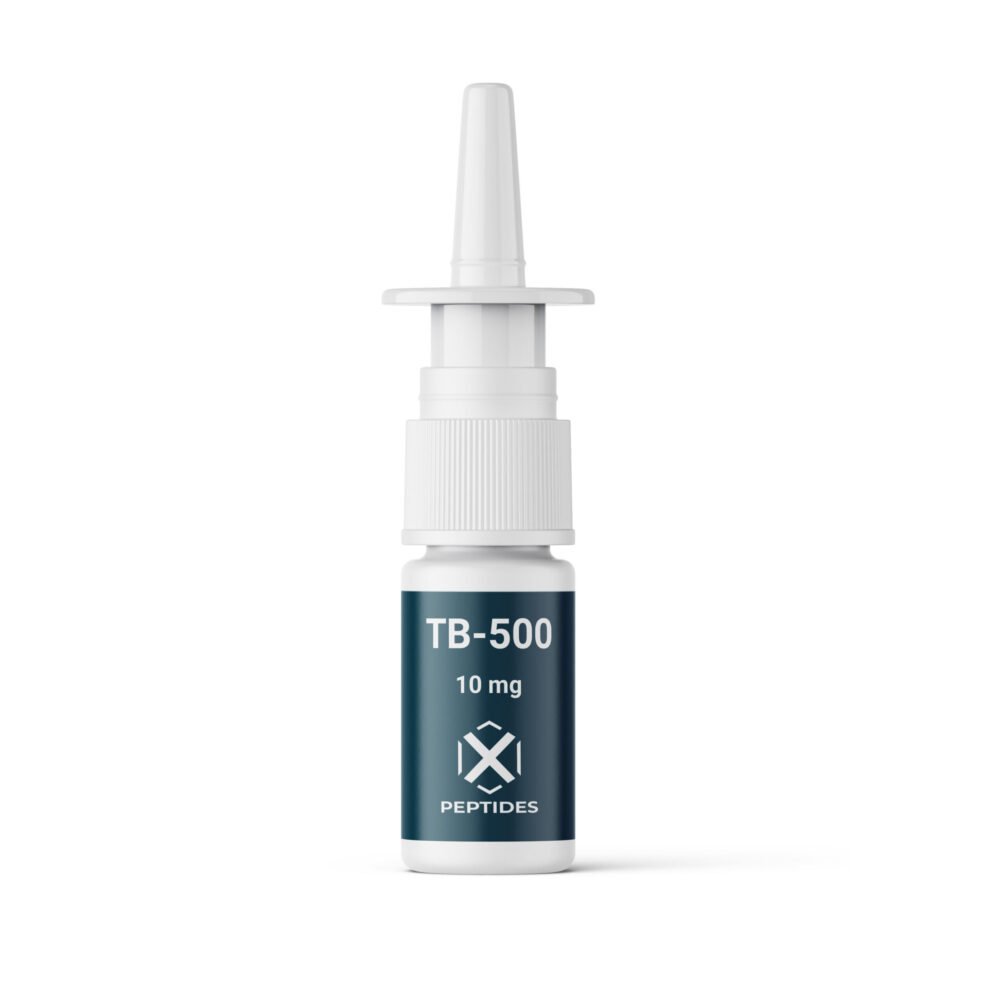
TB-500 10 mg/10 ml Spray
$64.98$72.21 (-10%)
TB-500 10 mg/10 ml Spray: TB-500 is a catalogue designation used in peptide research. Its relationship to thymosin beta-4 terminology requires particular care: the name alone is not a universally sufficient sequence specification. Before selecting a molecular reference, establish whether the supplied material is a defined fragment, a modified peptide or a full-length thymosin-related preparation. This listing uses a spray-format presentation; finished-format specifications must be distinguished from the reference molecule. Intended exclusively for controlled in vitro laboratory research; not for human or veterinary use.
TB-500 10 mg/10 ml Spray Australia
TB-500 10 mg/10 ml Spray is listed at AU Peptides Shop in a spray-format presentation. This page brings together the compound identity, reference chemistry and laboratory considerations relevant to this specific catalogue entry. It is intended exclusively for controlled in vitro laboratory research, not personal use.
Product description
TB-500 is a catalogue designation used in peptide research. Its relationship to thymosin beta-4 terminology requires particular care: the name alone is not a universally sufficient sequence specification. Before selecting a molecular reference, establish whether the supplied material is a defined fragment, a modified peptide or a full-length thymosin-related preparation.
A universal formula, molecular weight or amino-acid sequence is not assigned here from the TB-500 label alone. Those fields should follow the supplier’s actual sequence and chemical form. TB-500 in a blend must also be distinguished from its separately supplied component.
Chemical information and molecular structure
| Reference designation | TB-500 |
|---|---|
| Formula / molecular weight | Require a confirmed sequence, chemical form or construct specification; not assigned from the catalogue label. |
| Sequence information | Confirm the complete sequence, terminal groups and relevant modifications in the product documents. |
Reference formula and molecular weight depend on the represented chemical species. Counterions, hydration, oxidation state, terminal modifications and formulation ingredients can change the relationship between a database molecule and the supplied material. Use the named reference species for structural comparison, and use the batch specification for the actual product composition.
Research applications and experimental scope
- Confirmation of the stated thymosin-related sequence.
- Discrimination between peptide fragments and full-length material.
- Chromatographic identity and purity profiling.
- Controlled comparison of individual and multi-component preparations.
These are laboratory research topics and analytical objectives, not claims that the supplied product has achieved a biological result. Define the experimental question, model and acceptance criteria before comparing materials. A literature observation made with a different sequence, formulation or model cannot establish the performance of this catalogue item.
Analytical characterisation
For TB-500, sequence-sensitive identification and chromatographic profiling answer different questions. A compatible intact mass supports a molecular comparison, while a suitable mapping or fragmentation method may provide additional sequence evidence. A chromatographic peak area alone does not confirm every residue, terminal group or stereochemical feature.
Use reference material that matches the sequence and modifications being evaluated. Separate the identification question from the measurement of impurities, water, counterions or peptide content. A single percentage should retain the method and reporting basis under which it was obtained; it should not be expanded into an unsupported claim about sterility, activity or total material composition.
Laboratory model and control considerations
An in vitro experiment with TB-500 should distinguish the test-material response from effects of the vehicle, assay matrix and any additional ingredients. Include the controls appropriate to the study design, and keep the reference standard and test sample traceable to their own preparation records. Where a readout depends on cell viability or matrix composition, assess those factors independently of the primary measurement.
Record the sample identity, selected product option, preparation history and analytical method used for the comparison. Repeatability within one run does not by itself establish specificity or transferability to another model. Report observations within the limits of the experimental system rather than treating an in vitro result as evidence of a clinical benefit.
Supplied format and product specifications
| Product name | TB-500 10 mg/10 ml Spray |
|---|---|
| Catalogue format | spray-format presentation |
| Quantity wording in listing | 10 mg / 10 ml |
| Purity / certification | Refer to the relevant batch report; no percentage or certification is assigned without product documentation. |
A spray-format product is a finished presentation. Total ingredient mass, total liquid volume and any documented actuation specification are separate measurements. Do not describe the finished spray as lyophilized powder or infer an amount per actuation from the bottle title alone. Formulation components can affect laboratory sample recovery and assay interference.
Solubility and matrix compatibility
For TB-500, use product-specific solubility information and a laboratory method appropriate to the selected presentation. Apparent dispersion is not necessarily complete dissolution, and a visually clear preparation does not establish chemical stability. Assess recovery and matrix compatibility using the measurement required for your experiment.
Where the product contains additional ingredients, distinguish dissolution of the reference compound from extraction of the finished formulation. Record the documented matrix and any observed interference so another analyst can interpret the result. No universal solvent, solubility limit or preparation protocol is assigned from this catalogue name.
Storage and handling
Use the storage conditions specified for the supplied TB-500 10 mg/10 ml Spray batch and presentation. A universal freezer temperature, refrigeration interval or prepared-sample expiry is not assigned from the compound name alone. Obtain the relevant product guidance when storage or sample stability is an acceptance criterion for your work.
Maintain traceable labels and document the handling history relevant to the study. Assess changes in appearance, analytical profile or recovery against a validated method rather than assuming that an unchanged label establishes stability. Aseptic laboratory technique does not by itself demonstrate that a research product is sterile; sterility and related quality attributes require their own evidence.
Related catalogue comparisons
- TB-500 10mg — Same named compound(s), different format.
- BPC157 10mg+GHK-CU 50mg+TB500 10mg Glow blend — Shares a named component; composition differs.
- TB-500 + BPC-157 Mix 5mg / 5mg Wolverine stack — Shares a named component; composition differs.
- TB-500 + BPC-157 MIX 10mg/10mg Spray 10 ml — Shares a named component; composition differs.
Compare the exact compound, form and quantity in each linked listing. These catalogue relationships do not establish interchangeable materials or recommend combined use.
Australian research enquiries
For TB-500 10 mg/10 ml Spray in Australia, include the complete listing name, required option and any analytical documentation requirements when you contact AU Peptides Shop. Browse the research catalogue for other individually specified materials. Current purchasing options show price and availability; batch evidence should be reviewed separately.
Research compliance notice
For controlled in vitro laboratory research only. Not for human or veterinary use. This description provides scientific reference information and does not recommend dosing, administration or treatment. Research-use labelling does not establish regulatory approval or permission for a particular activity under Australian therapeutic-goods requirements.